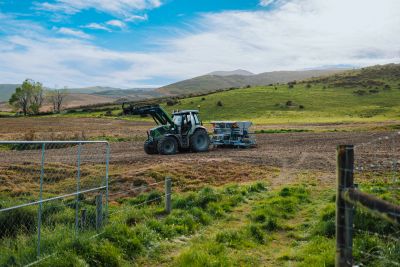
Choosing the Right Seed Drill
Disc or tine? Direct drilling or conventional cultivation? Here's everything you need to know before investing in your next seed drill.
Buying a seed drill isn't simple
It's choosing the right tool for your soils, your farming system, your crops, and the way you like to work.
Every farm is different.
Rolling hill country behaves differently from irrigated plains.
Heavy clay responds differently to light free-draining soils.
Pasture renewal requires different considerations than cereal establishment.
This guide explains the key differences between today's most common drilling systems, when each one performs best, and why many New Zealand farmers continue to choose tine drills for their versatility, reliability and consistent performance.
Whether you're replacing an existing drill or buying your first machine, we'll help you understand what really matters.
Understanding What a Seed Drill Actually Does
Before comparing machines, it's worth understanding the job they're designed to perform.
Every seed drill has one purpose:
Place every seed at the correct depth, with good seed-to-soil contact, in the right environment for germination.
That sounds simple.
In reality, it requires every component of the drill to work together.
The opener creates the seed trench.
The metering system controls seed placement.
The harrows finish the job.
If one part doesn't perform properly, crop establishment can suffer.
Good engineering isn't about adding complexity.
It's about making every stage of the drilling process work consistently across varying paddock conditions.
The Two Main Types of Seed Drill
Most modern seed drills fall into two broad categories:
- Disc seed drills
- Tine seed drills
Both achieve the same outcome.
They simply go about it differently.
What Is a Disc Seed Drill?
A disc drill uses rotating steel discs to slice through the soil, creating a narrow slot where seed is placed before the slot is closed.
Because the discs cut rather than lift the soil, disc drills create very little soil disturbance.
This makes them popular for direct drilling and minimum tillage systems where preserving surface residue is important.
Advantages
- Minimal soil disturbance
- Excellent in heavy crop residue
- Suitable for direct drilling
- Helps maintain ground cover
- Can reduce erosion
Considerations
- More moving parts and wearing components
- Can be more expensive to maintain
- Sticky soils may affect performance
- Hairpinning can occur if residue isn't cut cleanly
- Often higher initial purchase cost

What Is a Tine Seed Drill?
Rather than cutting through the soil with discs, a tine drill opens the soil using robust steel tines.
This gently fractures the ground before placing seed into the seedbed.
For many New Zealand farming systems, particularly cultivated paddocks and pasture renewal, this remains an extremely practical and effective approach.
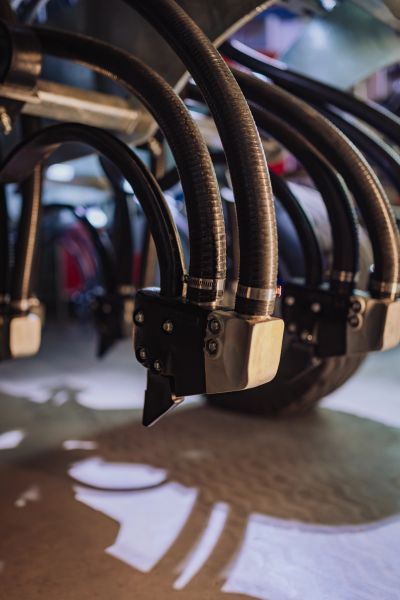

Rather than cutting through the soil with discs, a tine drill opens the soil using robust steel tines.
vantages
- Excellent seed-to-soil contact
- Simple, robust engineering
- Lower maintenance requirements
- Handles uneven terrain well
- Well suited to cultivated seedbeds
- Performs well in stony conditions
Considerations
- Greater soil disturbance than discs
- Less suited to some no-till systems
- May bring more weed seed to the surface
Not All Tine Drills Are the Same
When we talk about a tine seed drill, there's another important distinction to make.
The type of tine matters.
Different tine designs behave differently as they move through the soil, affecting soil movement, trash clearance, seedbed preparation and ultimately how the drill performs in different conditions.
Two common approaches are the S-tine and the coil tine.
S-Tine Seed Drills
An S-tine isn't simply a rigid piece of steel being pulled through the ground.
Its distinctive shape allows the tine to flex and vibrate as it travels through the soil. This creates a light cultivating action directly around the row as the seed is being placed.
Rather than simply opening a path for the seed, that movement can help create tilth around the seed row, preparing the immediate seedbed as you drill.
Where does an S-tine perform well?
An S-tine system can be particularly effective when you want:
- A light cultivating action while drilling
- Good tilth around the seed row
- Effective seedbed preparation and seed placement in one pass
- A tine that can respond to changing ground conditions
- Good clearance through crop residue and trash
- A versatile drill for typical New Zealand conditions
That combination of movement and soil preparation is one of the reasons S-tine drills have been so successful in New Zealand farming.
Coil Tine Seed Drills
A coil tine takes a different approach.
The coil provides some flexibility, but the tine is generally more rigid in operation than an S-tine and doesn't produce the same degree of vibration through the soil.
It still opens the ground effectively for seed placement, but with less of the cultivating action associated with an S-tine.
Where can a coil tine work well?
A coil tine can be a good option where:
- A firmer, more controlled opener action is preferred
- Less movement of the tine is desirable
- The seedbed has already been well prepared
- Conditions don't require as much cultivating action around the seed row
Both systems have their place. The important difference is understanding what happens below the surface as you drill.
Why Boon Uses the S-Tine Approach
For us, the benefits of an S-tine made sense.
But we didn't stop at simply fitting a conventional S-tine.
Boon's S-tine has been developed to be stronger and shaped to provide excellent trash clearance, while retaining the flexing and vibrating action that makes the S-tine concept so effective.
That means the tine can work the soil around the seed row while allowing residue and trash to move through the drill more effectively.
The result is a system designed around what actually happens in a New Zealand paddock:
Flex. Vibrate. Create tilth. Place the seed. Keep the trash moving.
It's another example of a simple idea that becomes much more effective when the engineering behind it is properly thought through.
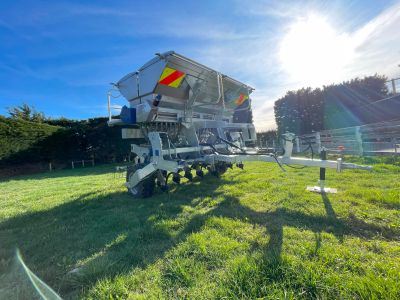
Disc vs Tine Seed Drills

Which Drill Suits Your Farm?
This is the question every farmer eventually asks.
The answer depends less on the machine and more on how you farm.
A disc drill may suit you if:
- You primarily direct drill.
- You work in heavy crop residues.
- Maintaining maximum ground cover is a priority.
- You operate a minimum tillage system.
A tine drill may suit you if:
- You regularly cultivate before drilling.
- You renovate pasture.
- You farm varied New Zealand terrain.
- You value simple, dependable engineering.
- You want lower ongoing maintenance.
- You need versatility across different farming applications.
Direct Drilling Explained
Direct drilling involves placing seed into existing ground without prior cultivation.
The aim is to minimise soil disturbance while preserving soil structure, retaining moisture, reducing erosion and leaving crop residue on the surface.
Disc drills are commonly associated with direct drilling because they slice cleanly through residue with minimal disturbance.
However, certain tine drills can also be used successfully in direct drilling situations depending on soil conditions, residue levels and machine design.
The right choice depends on your farming system rather than a single drilling method.
Minimum Till vs Conventional Cultivation
Minimum tillage reduces the amount of cultivation before planting.
Conventional cultivation prepares the seedbed through one or more cultivation passes before drilling.
Neither approach is universally better.
Both have advantages depending on soil type, climate, crop rotation, residue management and farm objectives.
The important consideration is selecting a drill designed to perform well within your chosen system.
Why Many New Zealand Farmers Continue to Choose Tine Drills
There is a reason tine drills remain widely used across New Zealand.
They are simple.
Reliable.
Easy to maintain.
And well suited to the diverse conditions found across the country.
From rolling hill country to cultivated plains, a well-designed tine drill provides consistent seed placement, dependable performance and straightforward operation.
Good engineering isn't always about adding more technology.
Sometimes it's about solving problems before they occur.
Why Harrows Matter More Than Most People Realise
Once the seed has been placed, the harrows complete the final stage of the drilling process.
They level the soil.
Cover the seed.
Help create consistent seed-to-soil contact.
Yet this critical component is often overlooked.
At Boon, we believe the finish matters just as much as the opening pass.
That's why we've developed our patented harrow system to move naturally with the ground, reduce stress on the machine and produce a consistent finish across varying paddock conditions.
Ready to Find the Right Seed Drill?
Every farm is different, and the best drill is the one that suits your land, your farming system and your goals.
If you'd like to discuss which Boon drill is right for your operation, our team is here to help.
Whether you're establishing pasture, drilling crops or upgrading your existing equipment, we can help you choose a machine built for New Zealand conditions.